
In the realm of automotive manufacturing, government regulations play a crucial role in shaping the design, safety, and environmental impact of vehicles.
From historical milestones to contemporary standards proton Malaysia, this article explores the evolution of car regulations and their profound implications on the automotive industry.
By examining safety requirements, emissions controls, and future trends, we gain insight into the complex interplay between regulatory mandates and technological advancements in the ever-evolving landscape of automobile manufacturing.
:max_bytes(150000):strip_icc()/GettyImages-596959508-fdc7786538cb4c70a8506ec78923d902.jpg)
History of Car Regulations
The history of car regulations can be traced back to the early 20th century when governments began implementing rules to ensure safety and standardization in the automotive industry https://www.protondavidwoo.com/. As automobiles became more prevalent, concerns regarding road safety, vehicle emissions, and consumer protection grew.
In 1908, the United States introduced the first comprehensive car regulations with the establishment of the National Automobile Traffic Board. This laid the foundation for future safety standards and inspection protocols. Over time, the focus shifted towards environmental impact, leading to the implementation of emission control regulations in the 1960s.
Today, car regulations continue to evolve, encompassing aspects such as fuel efficiency, crashworthiness, and advanced driver-assistance systems to address modern challenges in the automotive sector.
Safety Standards for Vehicles
Transitioning from the historical context of car regulations, safety standards for vehicles have become paramount in ensuring the well-being of both drivers and passengers. These standards encompass a wide range of features aimed at reducing the likelihood of accidents and minimizing the severity of injuries in the event of a crash.
Key safety standards include requirements for airbags, seat belts, anti-lock braking systems (ABS), electronic stability control (ESC), and advanced driver assistance systems (ADAS). Additionally, crash tests conducted by regulatory bodies evaluate the structural integrity of vehicles to assess their ability to protect occupants in different collision scenarios.
Adherence to these safety standards not only enhances the overall safety of vehicles on the road but also contributes to reducing fatalities and injuries in traffic accidents.
Emissions Requirements and Compliance
Moving from safety standards, regulations on cars also extend to emissions requirements and compliance. Governments worldwide impose strict guidelines to control the amount of pollutants vehicles release into the environment. Emissions standards typically limit the levels of harmful gases such as carbon monoxide, nitrogen oxides, and hydrocarbons that vehicles can emit.
To ensure compliance, car manufacturers must subject their vehicles to rigorous testing procedures to measure and verify their emissions output. Non-compliance can result in hefty fines, recalls, or even bans on selling non-compliant vehicles.
Impact of Regulations on Automakers
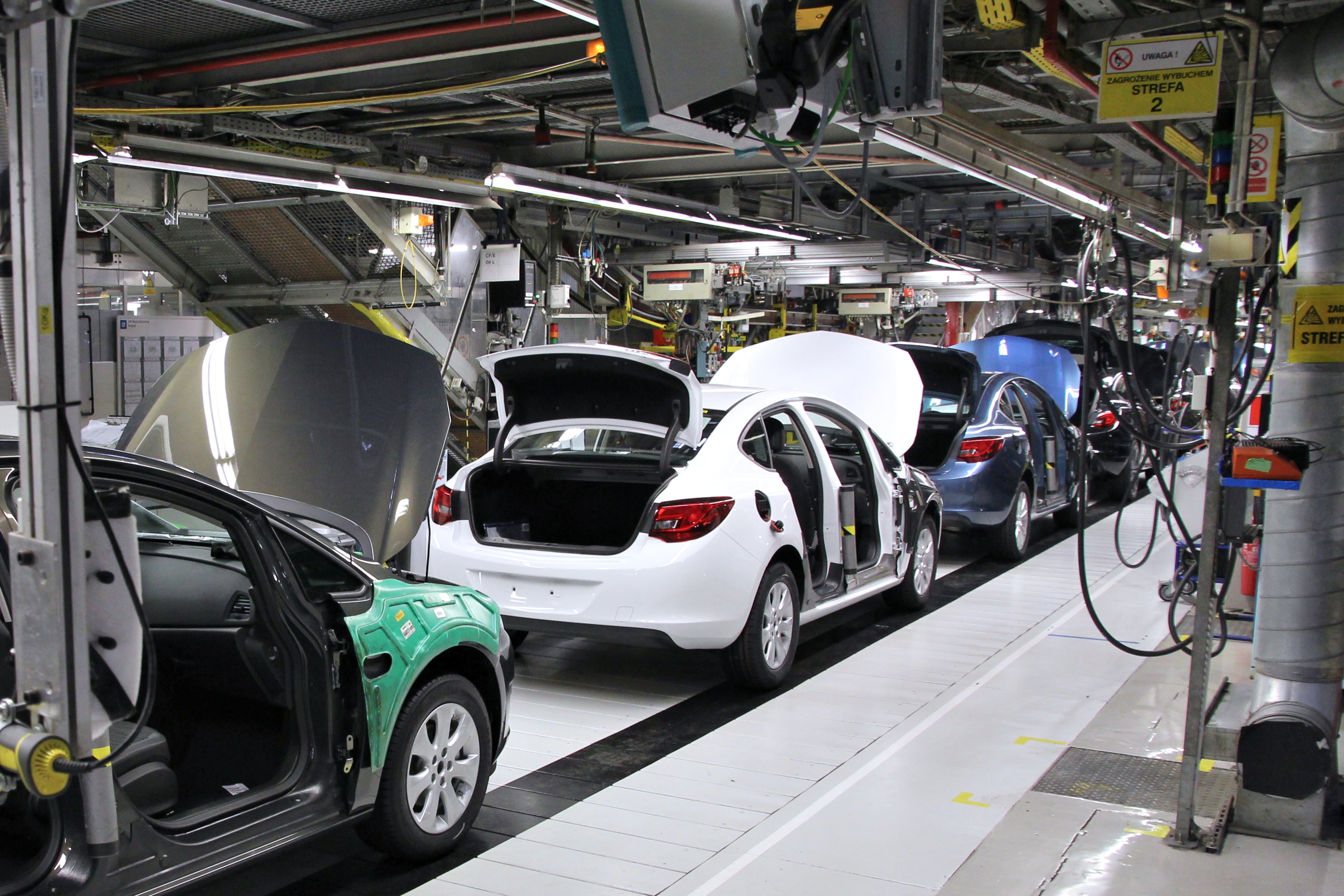
Government regulations on cars significantly impact automakers’ production processes and business strategies. These regulations often require automakers to invest in new technologies to meet safety, emissions, and fuel efficiency standards, leading to increased production costs.
Automakers must also navigate complex regulatory landscapes across different markets, requiring them to adapt their vehicle designs and features to comply with various regional requirements. Compliance with regulations can influence the types of vehicles that automakers produce, affecting their market competitiveness and profitability.
Moreover, regulations aimed at promoting sustainability and reducing carbon footprints are pushing automakers to innovate and develop cleaner, more environmentally friendly vehicles. Overall, the impact of regulations on automakers is profound, shaping the industry’s direction and driving innovation in the automotive sector.
Future Trends in Car Regulations
Automakers will need to anticipate and adapt to forthcoming regulatory shifts in the automotive industry to maintain compliance and competitiveness. One key trend is the increasing focus on environmental sustainability. Governments worldwide are implementing stricter emissions standards to reduce carbon footprints. This shift towards eco-friendly practices is compelling car manufacturers to develop more electric and hybrid vehicles.
Additionally, advancements in autonomous driving technology are prompting regulators to establish guidelines for the safe integration of self-driving cars on public roads. Data protection and cybersecurity regulations are also becoming more prevalent as vehicles become more connected.
To stay ahead, automakers must prioritize innovation and agility to meet evolving regulatory requirements while meeting consumer demands for safer, cleaner, and more technologically advanced vehicles.
Conclusion
In conclusion, government regulations on cars have evolved over time to prioritize safety standards and emissions requirements. These regulations have had a significant impact on the automotive industry, driving innovation and compliance with stricter rules.
As we look towards the future, it is likely that car regulations will continue to become more stringent in order to protect the environment and ensure the safety of drivers and passengers.